


A progressive pacifier weaning method

Pacifier weaning is often a sensitive developmental step.

Clipp provides a structured, step-by-step approach that gradually reduces sucking stimulation while respecting the child’s emotional attachment and developmental rhythm, aligned with healthcare guidance.

Trusted by over 5,000 healthcare professionals in Europe

  • The gradual weaning concept behind Clipp is genuinely beneficial.

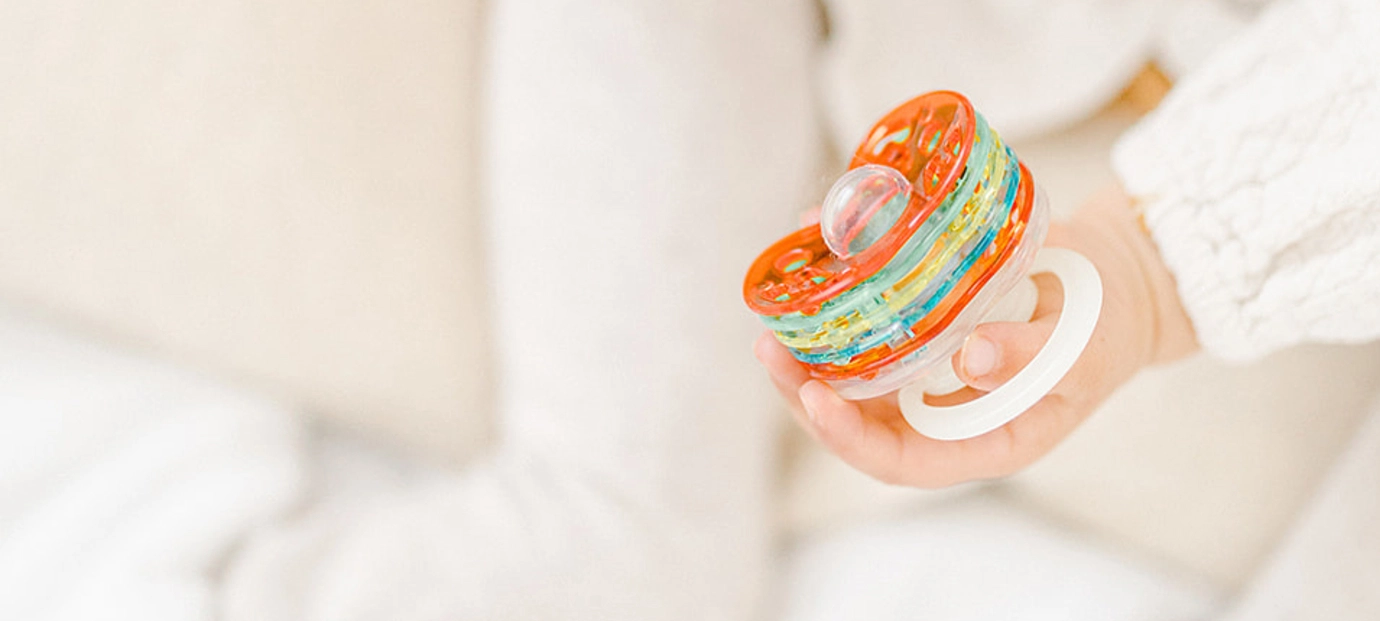
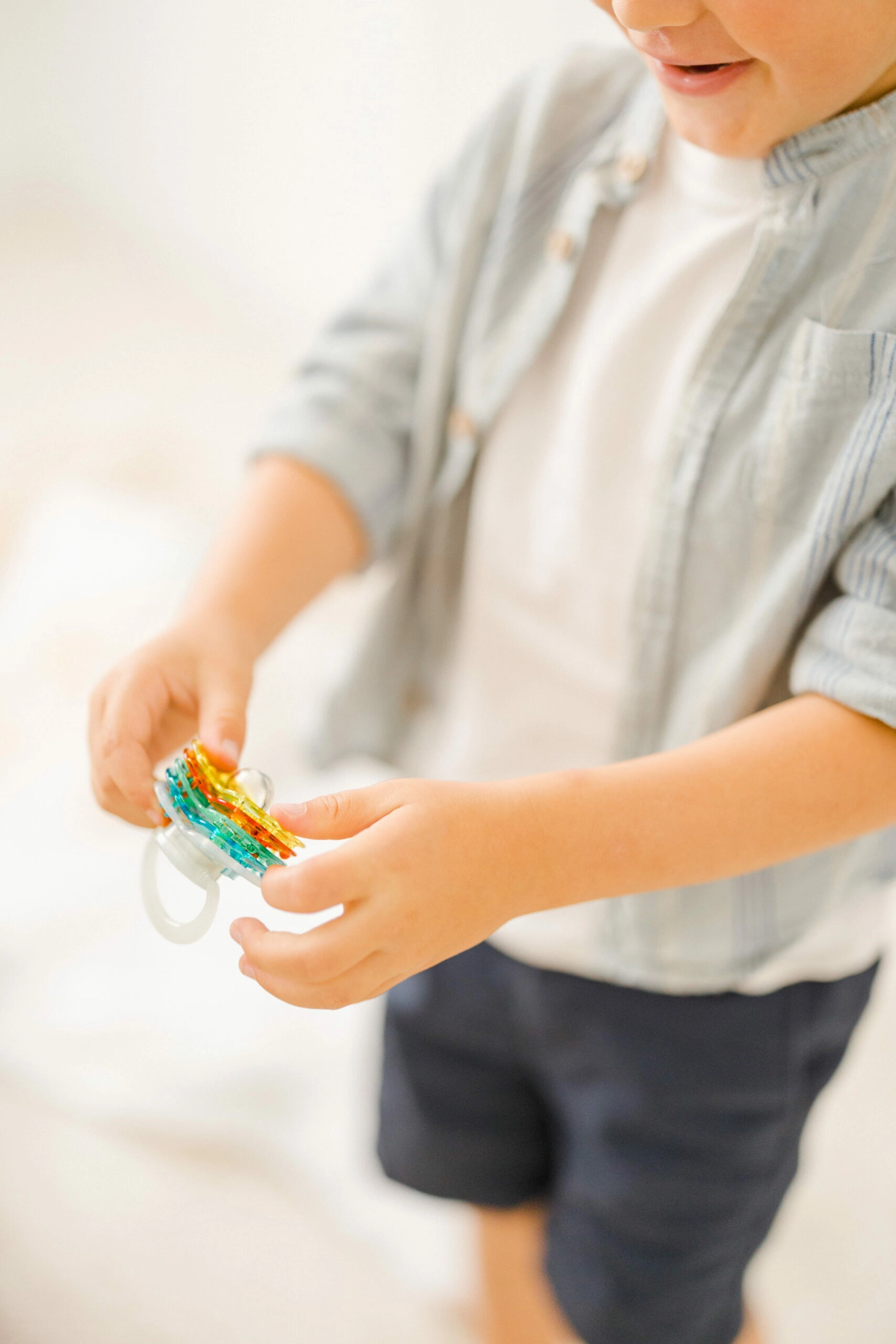
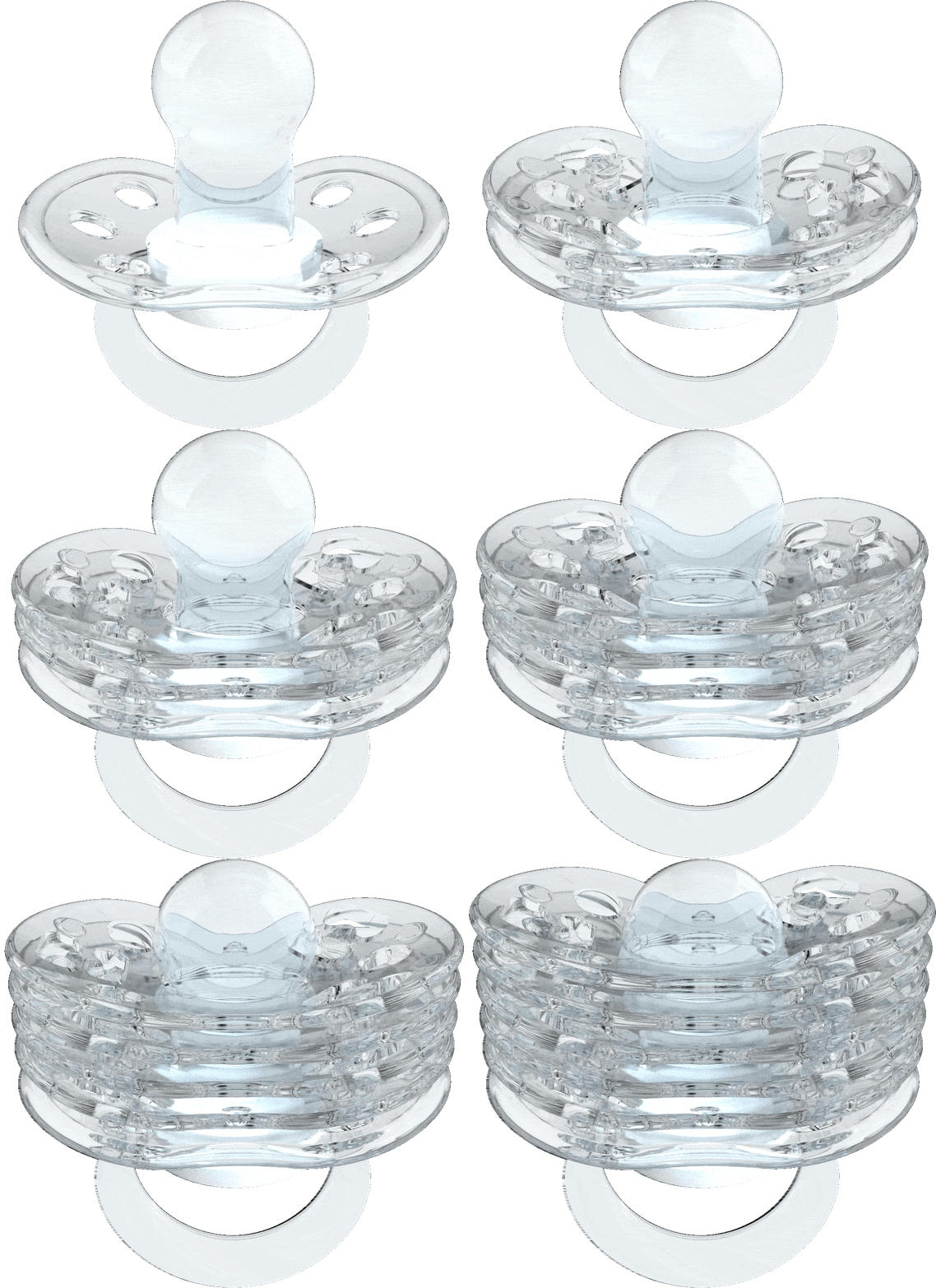
    By adding the shields one by one, the sucking surface is progressively reduced until there is almost nothing left to suck.

    This allows children to let go gently, without distress or conflict. From a paediatric dentistry perspective, this approach makes sense and supports healthier oral development.

  • We had tried several approaches before, but Clipp’s gradual method was the only one that truly worked.

    As the suction decreased step by step, the pacifier naturally lost its comforting role.

    The child understood what was happening and stopped using it without resistance.

    From my professional perspective, predictability and gradual change are key — and Clipp supports both.”

  • From both a clinical perspective and as a mother, I believe Clipp represents a meaningful advance in how we support families through pacifier weaning.

    In early childhood, sucking is a natural reflex with important emotional and developmental functions. However, prolonged pacifier use can influence maxillofacial growth and the coordination of oral functions. In my clinical practice, I have seen how difficult it can be for parents to know when and how to support weaning without stress.

    What sets Clipp apart is its structured, gradual approach that allows a child to reduce pacifier dependence in a way that feels predictable and respectful. Rather than abruptly removing the pacifier, the progressive reduction in suction helps the child adapt week by week.

    As a dentist specializing in paediatric care, I appreciate that this method aligns with developmental considerations of the oro-facial complex. As a mother, I saw firsthand how it helped my own child move beyond the pacifier with confidence and calm.

    For professionals working with families, whether in dental, speech or early childhood settings, Clipp offers a supportive tool that enhances conversations about weaning and empowers parents with a clear pathway forward.

How does the Clipp method work?

You support the family step by step, while the child makes progress and the pacifier gradually disappears on its own.
No rupture, no struggle, just a gentle, well-guided transition.

  • Step 1

    Discovery

    The child is introduced to Clipp as a familiar pacifier. At this stage, there is no change in sensation or routine. The pacifier continues to fulfil its soothing role, allowing the child to maintain a sense of security. This initial phase helps establish trust and acceptance, without pressure or disruption, while preserving the existing emotional reference.

    Familiarity, security, acceptance

  • Step 2

    Gentle progression

    Each week, the addition of a shield slightly reduces sucking stimulation. The change is gradual and predictable, allowing the child to adapt without distress. The visual support (calendar) helps make each stage understandable and reinforces engagement in the process. Progress is perceived as a sequence of small, achievable steps rather than a loss.

    Predictability, gradual adaptation, emerging autonomy

  • Step 3

    Natural transition

    After approximately one month, sucking becomes minimally effective and the pacifier gradually loses its soothing function.The child naturally reduces use and eventually lets go.
    This final phase occurs without confrontation or forced removal. The transition is experienced as a developmental step, supported with calm and confidence.

    Spontaneous disengagement, emotional security

  • Why a gradual method is recommended ?

    Pacifier weaning is not merely a practical decision.It represents an important moment in a child’s oral, emotional, and respiratory development. A gradual approach supports these developmental processes by allowing adaptation over time, rather than overwhelming the child through abrupt interruption. This type of progression helps preserve emotional regulation while encouraging autonomy in a predictable and reassuring way.

    • Preserves emotional attachment and soothing needs
    • Supports oro-facial development and speech development
    • Helps prevent substitution habits (e.g. thumb sucking)
    • Reduces stress and strengthens emotional security
    • Recommended by professionals in speech therapy and paediatric dentistry
  • The pacifier is not an ordinary object

    The pacifier plays a role in emotional regulation and reassurance, particularly in early childhood. For many children, sudden removal may lead to frustration, tears, night-time searching, or a shift toward other sucking habits. For this reason, many early childhood healthcare teams recommend, from around the age of two, a progressive reduction of sucking, in order to support key developmental functions.

    • Proper tongue positioning
    • Maturation of the jaw and palate
    • Nasal breathing
    • Speech development

The gradual method

It helps the child to understand what is happening, to anticipate each step, to take part in the process, and eventually to disengage independently. This is a developmental step, not an abrupt break.
This approach is built on gentleness and predictability, and aligns with widely shared professional practices in early childhood care.

gif dummy
The bond is not broken it's transformed into autonomy
  • Recommended by specialists in speech, oral and oro-facial development
  • In line with international recommendations for gentle pacifier weaning around the age of two
  • Many international paediatric and speech therapy professional bodies advise a gradual reduction of sucking from around two years of age

Why stopping at the right time matters

A small decision today, meaningful benefits for tomorrow

Key developmental considerations

  • Healthy development of chewing and swallowing
  • Establishment of nasal breathing
  • Correct tongue positioning
  • Prevention of dental and speech-related difficulties

After the age of two, non-nutritive sucking may influence breathing patterns, tongue posture, and the shape of the palate. A gentle weaning process at the appropriate time helps support the healthy development of the jaw, speech functions, and sleep. Clipp is designed to accompany this transition precisely when it becomes most relevant from a developmental perspective.

Reducing mental load and supporting everyday life

  • Fewer lost or repeatedly replaced pacifiers
  • Reduced likelihood of later orthodontic interventions
  • Shorter or potentially avoidable treatment pathways
  • Less tension and fewer conflicts around weaning

Pacifier weaning is not only a dental or functional concern.It also plays a role in simplifying daily routines, reducing stress for families, and supporting a preventive rather than corrective approach. By offering a clear framework and a progressive pathway, Clipp helps turn a potentially difficult transition into a calm, shared process, supported by healthcare professionals.

  • Quality, safety and manufacturing standards

    Clipp has been developed in compliance with the most stringent European standards. Each component is designed to meet the requirements of healthcare professionals in terms of safety, traceability, and material quality.
    The system combines medical-grade materials, controlled manufacturing processes, and a patented safety design to ensure reliable use in daily practice.

    • Complies with European standard EN 1400 (Pacifier safety requirements)
    • Class I medical device, in accordance with EU Regulation 2017/745
    • Patented locking system: shields cannot be removed by the child
    • Controlled medical-grade silicone, BPA-free and free from unwanted substances
    • Pacifier manufactured in Germany, in an ISO 9001:2015 certified facility
    • Titran® shields manufactured in France, designed for enhanced durability
    • Assembly and packaging carried out in France, in an inclusive workshop, ensuring traceability, quality control, and social responsibility
    • Commitment to responsible plastics through ISCC+ certified mate

Human & Clinical Foundation

Built on clinical expertise and academic validation

The expertise behind Clipp

Behind Clipp are parents and over twenty years of experience in orthodontics and dento-facial orthopaedics. Clipp was co-founded by Arnaud Biezanek, CEO of 2 innovative dental laboratories specialising in orthodontics, paediatric dentistry and dento-facial orthopaedics since 2005, together with Virginie, production and quality manager specialised in orthodontics and ODF since 2010.

Through long-standing collaboration with orthodontists and paediatric dental professionals, they repeatedly observed the same challenges: prolonged non-nutritive sucking influencing palatal development, persistent mouth breathing patterns, tongue posture affecting oral functions, and the stress often associated with abrupt pacifier removal.

Before initiating formal research and industrial development, the progressive concept was first tested within their own family environment.The positive outcome confirmed the feasibility of a gradual approach and led to structured R&D, prototyping, and regulatory validation.

Clipp was therefore developed from both professional expertise and lived parental experience, to provide a progressive, structured and developmentally respectful approach to pacifier weaning.
A university research study in paediatric dentistry

Clipp has been evaluated as part of a doctoral thesis conducted in collaboration with the University Hospital of Nice.

The thesis has been successfully defended with congratulations from the jury. Scientific publication is currently in progress.

The study included 62 children and assessed the outcomes of progressive pacifier weaning using the Clipp system.

Key findings include:

  • 94.4% successful weaning rate
  • High parent (9.61/10) and child acceptance (4.47/5)
  • 89.5% reduction or spontaneous correction of anterior open bite

Interdisciplinary relevance

Although the primary focus of the research was dental, additional observations were of particular interest to speech and language professionals.

Spontaneous parental reports indicated early reductions in pacifier use frequency, transitional object usage, and in some cases early speech-related improvements (not part of the initial study objectives).

Today, speech and language therapists represent the professional group most actively recommending Clipp, alongside paediatric dentistry and psychology.

A tool designed for professional practice

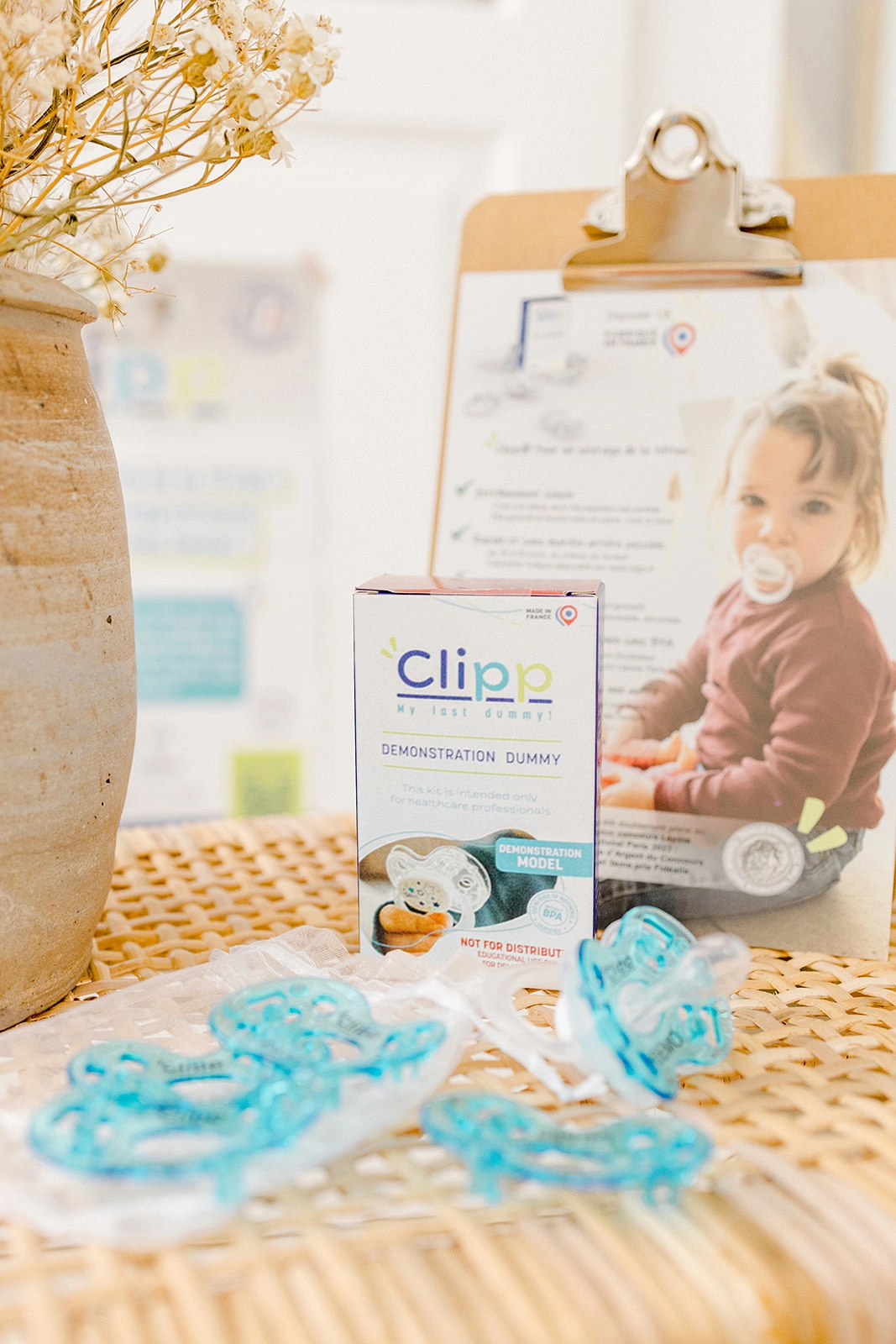
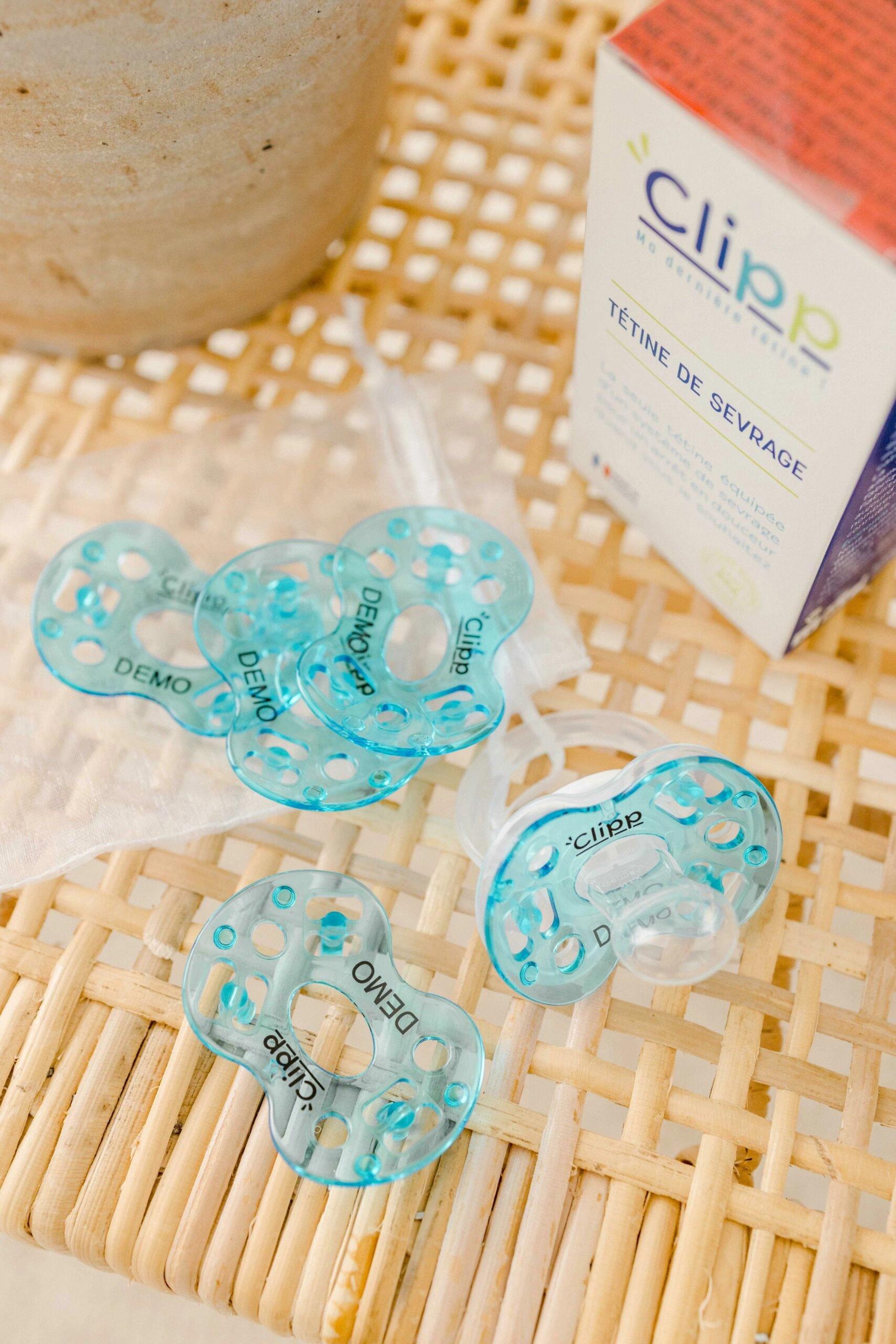
Unlike the consumer version, the professional demonstration pacifier allows shields to be added and removed during consultations.
This hands-on tool helps healthcare professionals explain the concept of progressive weaning clearly and visually. It supports parent understanding, reinforces adherence, and facilitates structured follow-up.
More than 5,000 healthcare professionals across Europe already use the Clipp demonstration kit in daily practice.

Clear information to support informed clinical use and professional decision-making

Your questions, answered

  • Is Clipp a certified medical device?

    Yes. Clipp is a Class I medical device in accordance with EU Regulation 2017/745. It complies with European standard EN 1400 for pacifier safety and is manufactured under certified quality management processes (ISO 9001:2015).

  • Has Clipp been clinically evaluated?

    Yes. Clipp has been evaluated as part of a doctoral thesis conducted in collaboration with the University Hospital of Nice. The thesis has been successfully defended with congratulations from the jury. Scientific publication is currentl

  • What is the professional demonstration kit?

    The professional kit includes a dedicated demonstration pacifier that allows shields to be added and removed during consultation.
    Unlike the consumer version, this model is designed specifically for educational use.It enables professionals to visually explain progressive weaning and support structured follow-up.
    Over 5,000 healthcare professionals already use the demonstration kit in daily practice.

  • From what age is Clipp recommended?

    Many international professional bodies recommend gradual reduction of non-nutritive sucking from around the age of two.
    Clipp is generally introduced from 24 months, depending on the child’s developmental readiness and professional guidance.

  • Does Clipp replace clinical care?

    No. Clipp is not a substitute for clinical assessment or treatment.It is a preventive and educational tool designed to support families under professional guidance.